Oak parquet types
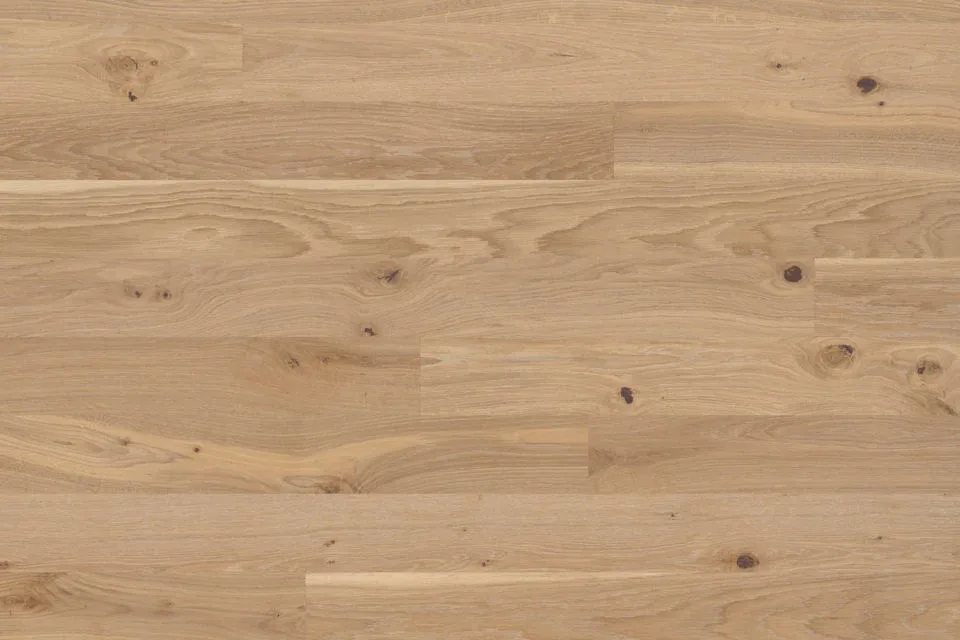
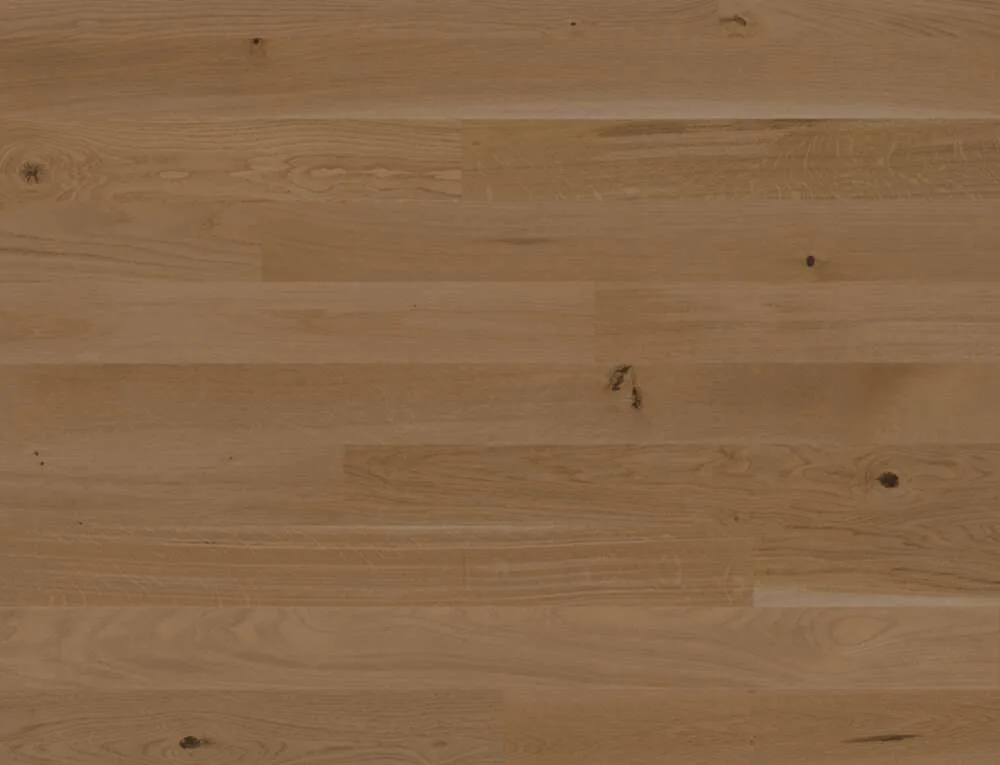
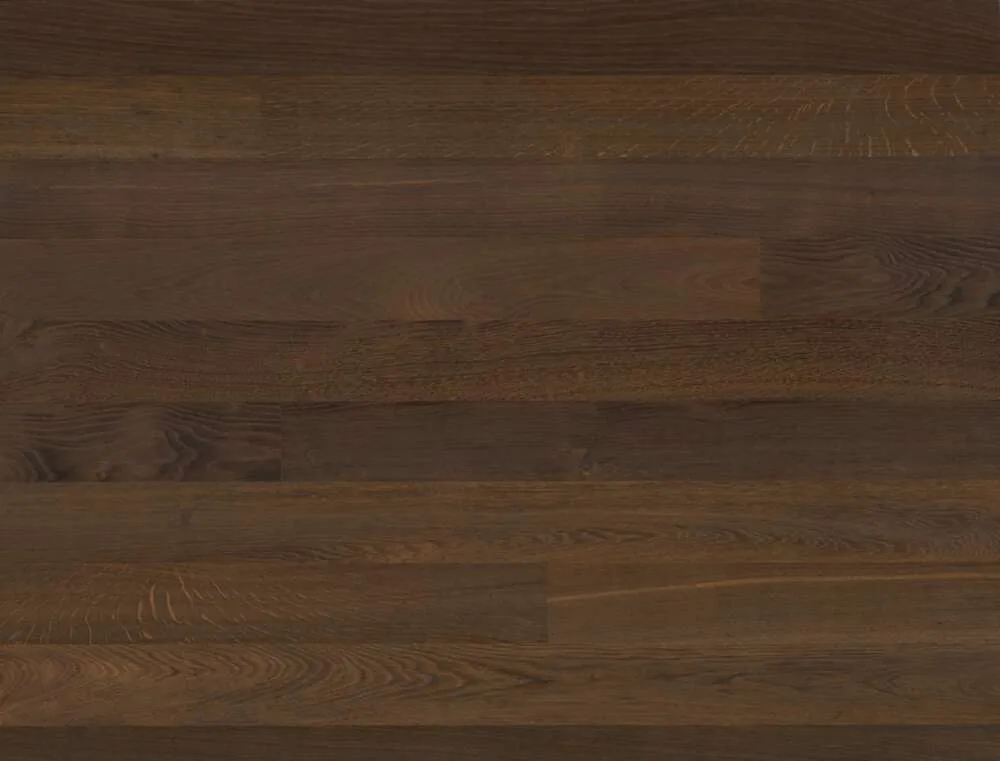
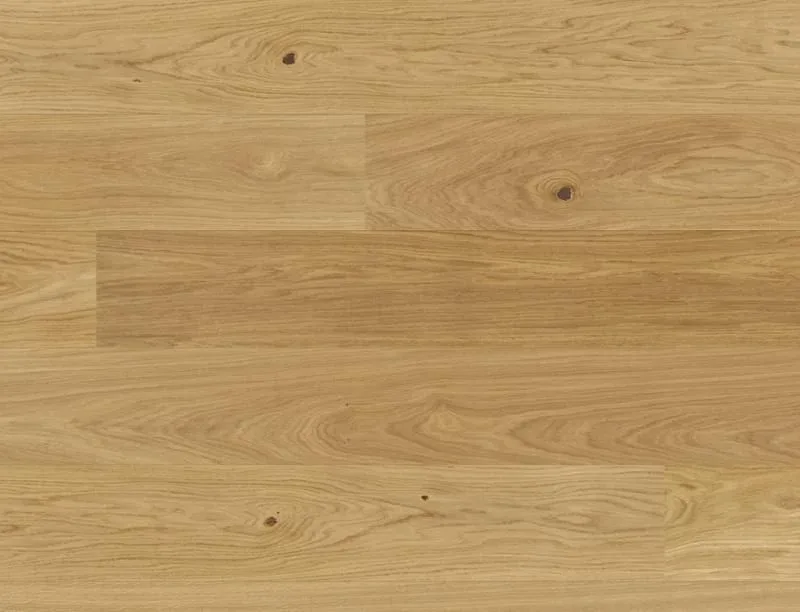
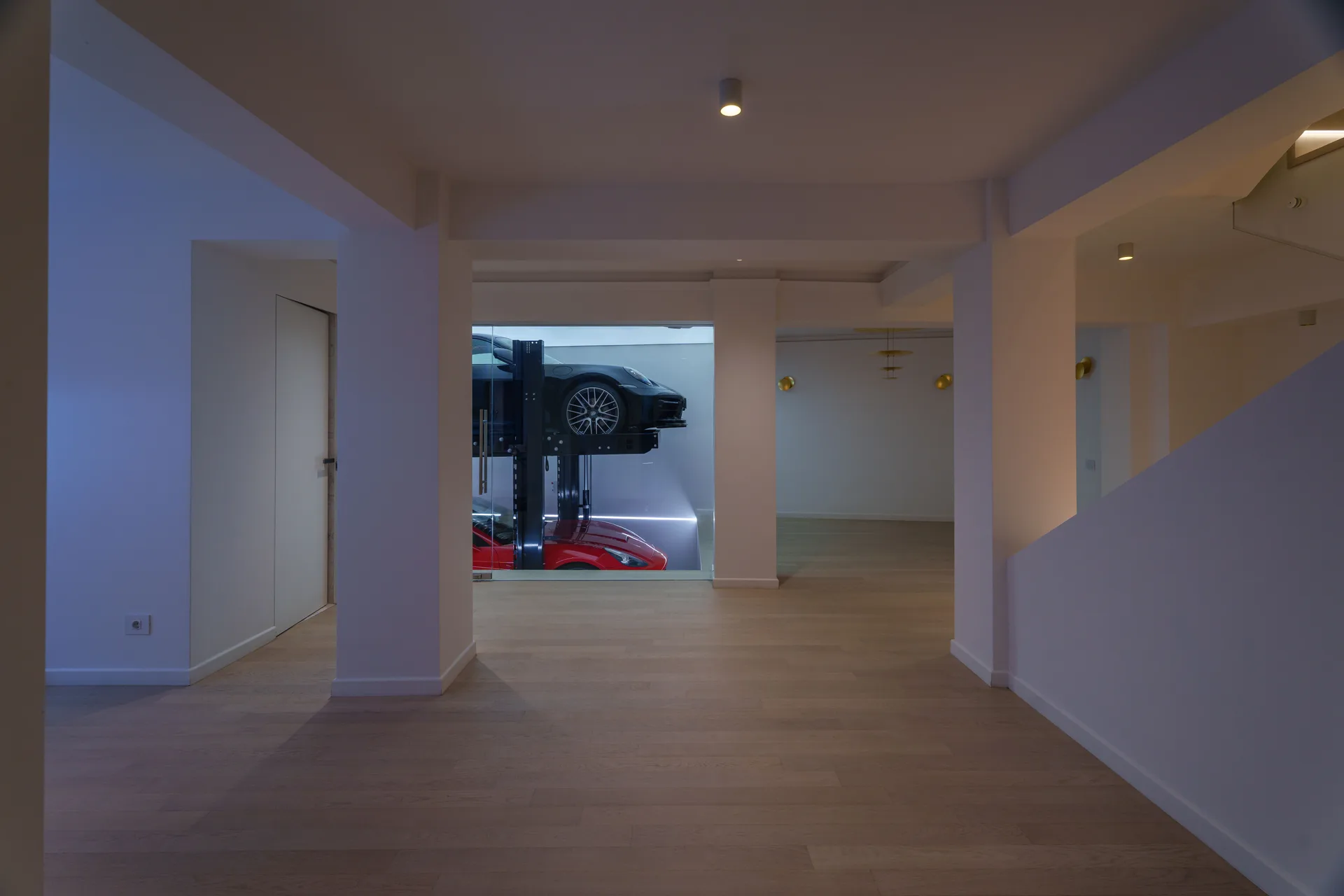
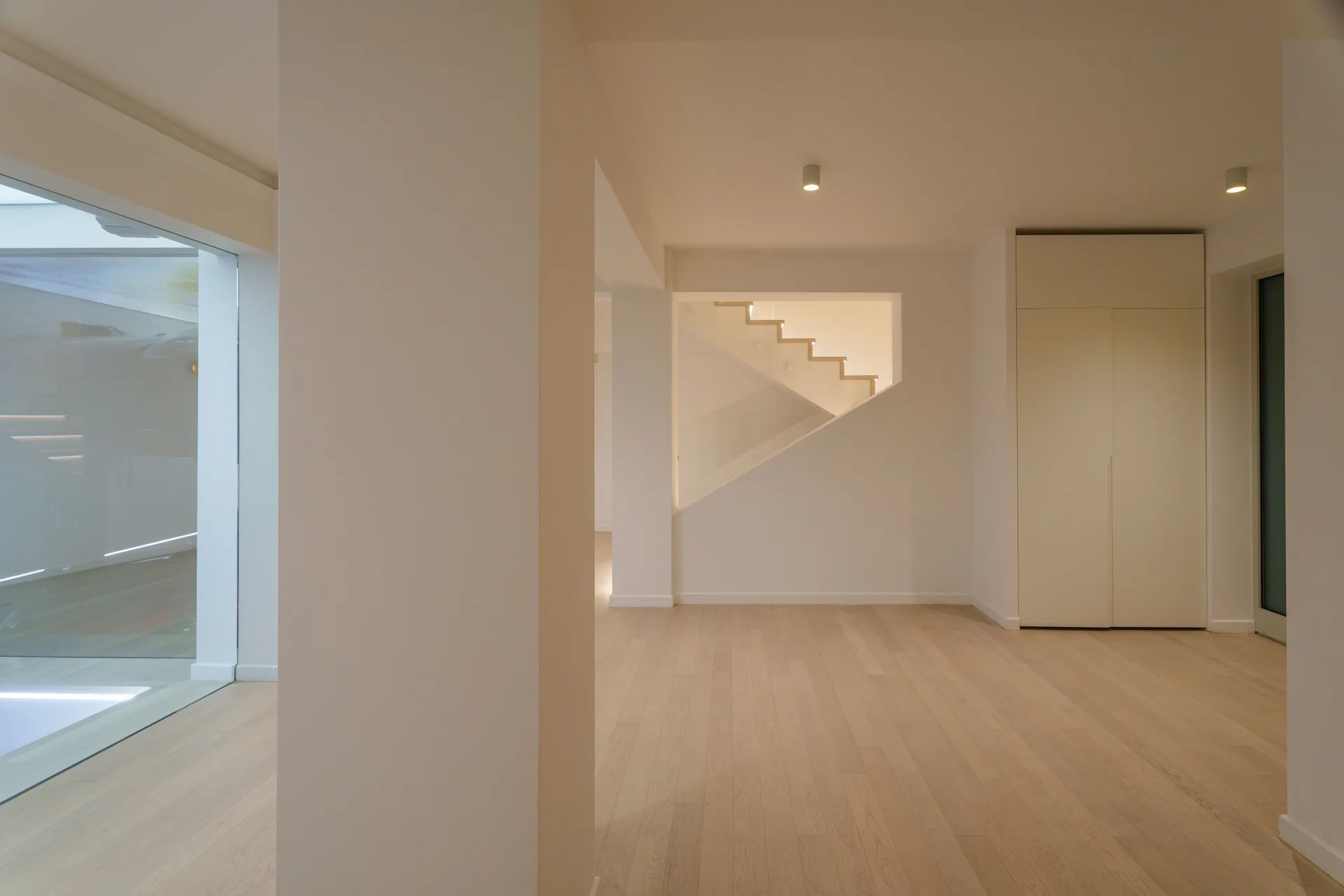
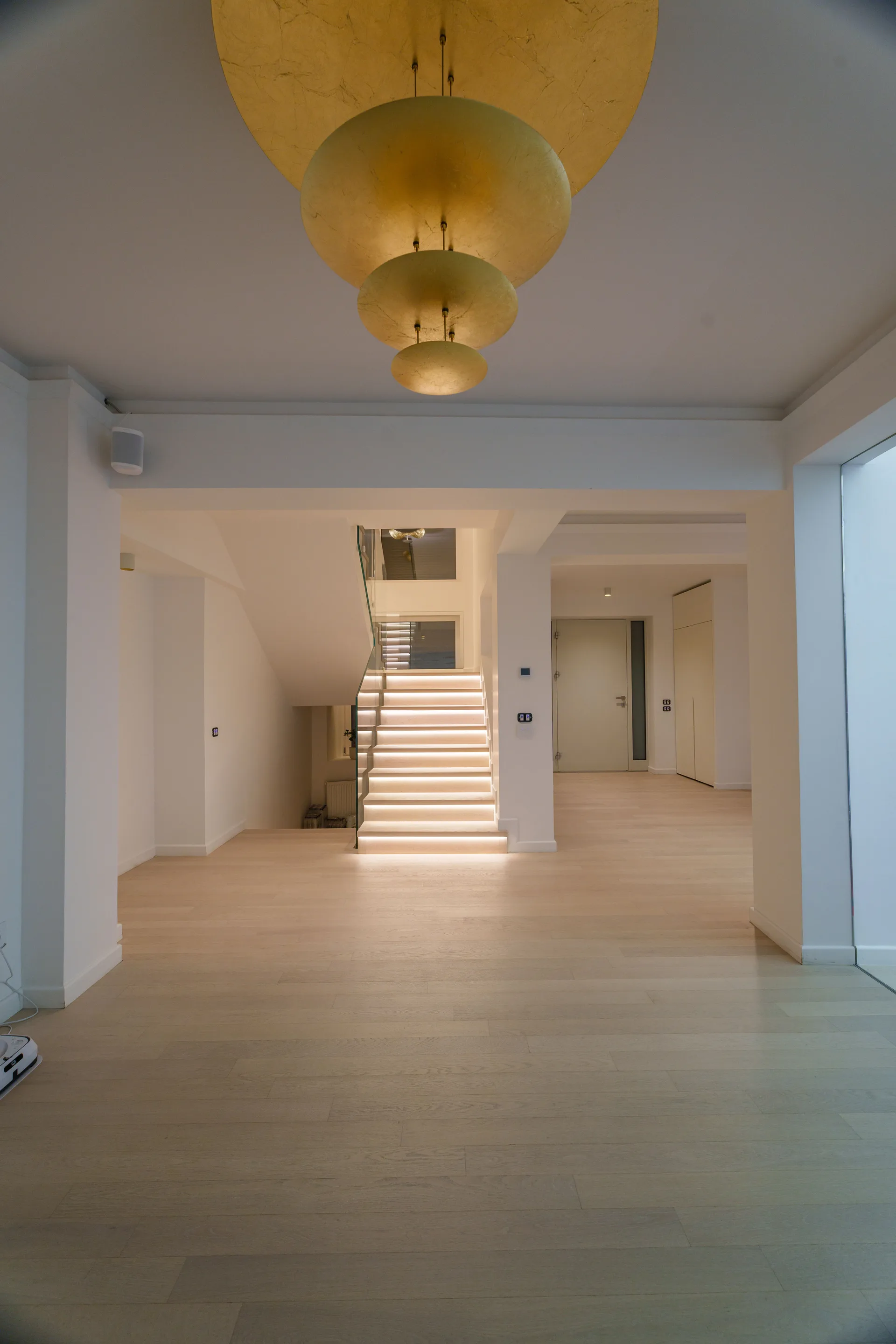
Oak parquet is made in several structures, each with different properties of stability, thickness and format. The choice of parquet type depends on the space where it will be installed, the heating system and the desired visual effect.
Two-layer oak parquet
Two-layer oak parquet has a top wood layer bonded to a softwood substrate. The result: smaller total thickness, excellent dimensional stability and a surface appearance identical to solid parquet. It is the common choice in residential projects that want a slim-profile engineered oak floor with no compromise on visual quality.
Three-layer oak parquet
Three-layer oak parquet has three perpendicular layers that counterbalance one another — a robust structure resistant to humidity variation and suited to large surfaces and high-traffic zones. Formats range from narrow strips to wide boards over 200 mm, and the total thickness adds solidity and acoustic comfort. Three-layer oak parquet is the preferred type in villas, passive houses and large commercial projects where the floor must last over time without warping.
Oak Herringbone parquet
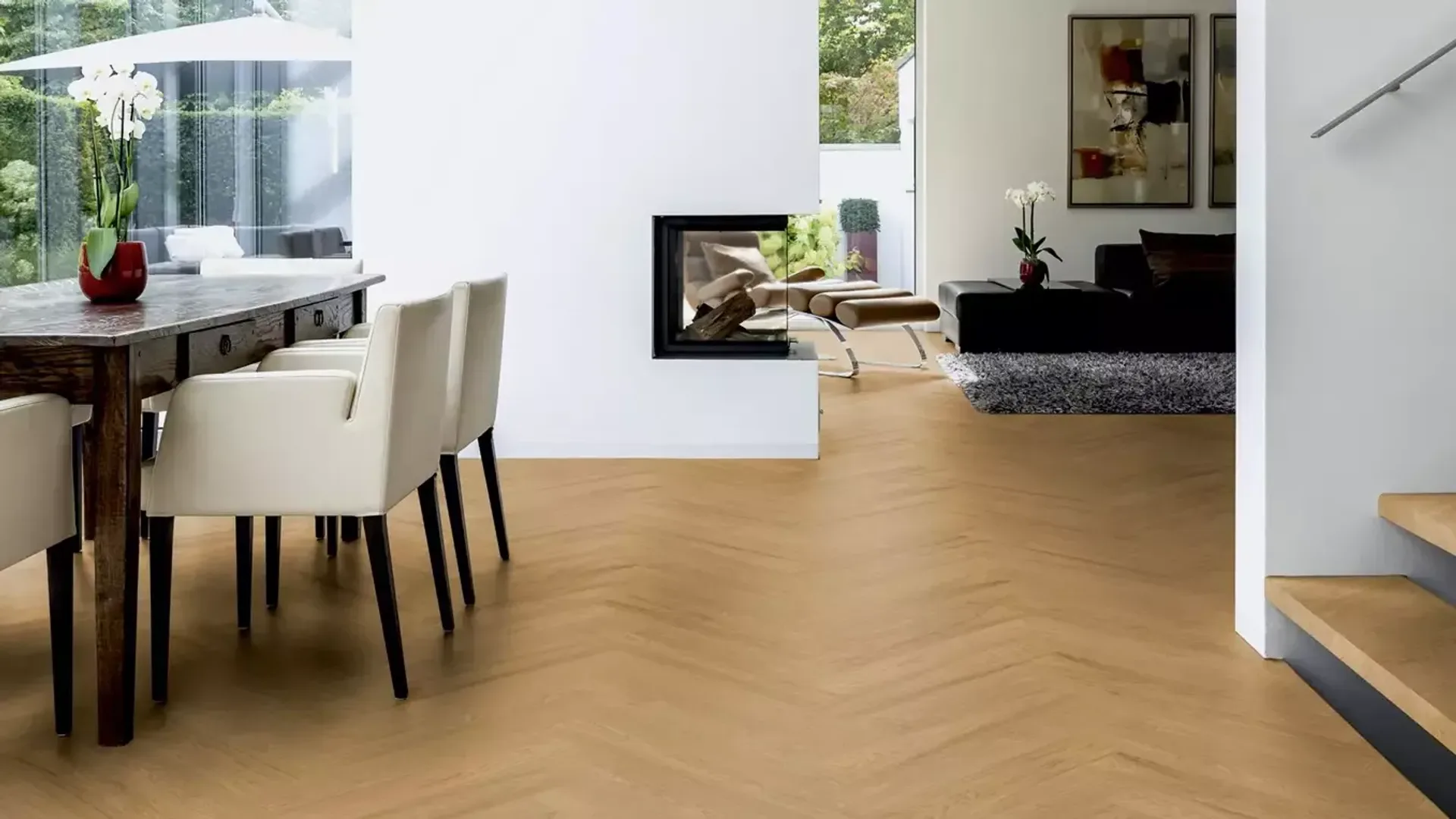
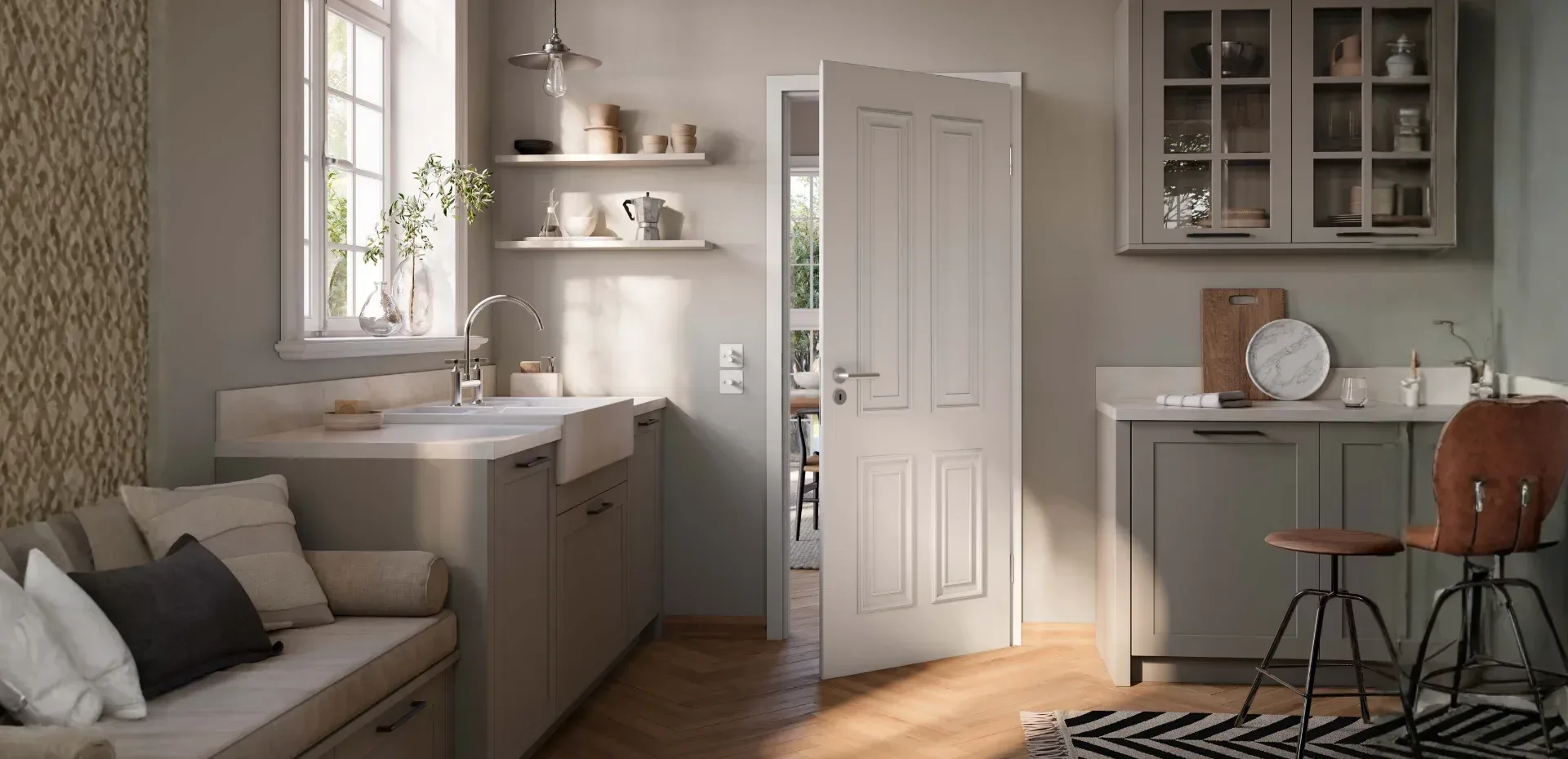
Oak herringbone parquet reinterprets a classic European pattern with contemporary materials and finishes. The short strips are installed at 90° to one another, creating a visual rhythm that adds depth and character to any room. Oak Herringbone parquet is frequently chosen in living rooms, hallways and feature spaces, where the floor becomes a central design element.
Oak Chevron parquet
Oak Chevron parquet looks like Herringbone at first glance, but the strips are cut at 45° or 60° and meet in a perfectly aligned point. The result is a more ordered, linear geometry, suited to elegant and contemporary projects. Oak Chevron parquet integrates naturally into interiors that seek refinement without decorative excess.