Swollen Parquet: Causes, Solutions, Prevention
Is your parquet flooring swollen? The planks are no longer perfectly straight, fine ridges appear, or areas seem tense underfoot. This is one of the most common issues affecting wooden flooring, occurring even in carefully maintained homes.
Parquet reacts to the indoor environment. Moisture, humidity, temperature fluctuations, or installation errors can alter the volume of planks. Accumulated pressure forces the flooring upward or toward the edges. Sometimes the problem emerges quickly, sometimes gradually, with no initial signs.
In brief:
- Stratified parquet can swell due to moisture or temperature variations.
- Deformation may occur immediately after installation or develop over time
- Not every case requires complete replacement
- Prompt intervention limits costs
- Correctly identifying the cause leads to the right solution
In the following sections, you will find the steps to take in the first days, explanations for each possible cause, and solutions to restore your flooring to its proper condition.
What to Do Immediately (First 24–72 Hours)
The first hours after swollen parquet appears directly affect the extent of deformation. Wood-based materials absorb moisture quickly, and if this moisture remains trapped in the subfloor layer, the planks continue to expand.
If water has been on the floor, drying must be done slowly and in a controlled manner. Consistent ventilation helps, and a dehumidifier stabilizes the moisture level in the room. The recommended value for residential spaces is between 45% and 60% relative humidity. Beyond this threshold, parquet continues to absorb vapors from the air.
In rooms with underfloor heating, the system should be shut down temporarily. Rapid temperature increases can quickly dry the upper layer of planks while moisture remains in the depths. This tension difference promotes permanent deformation.
The edges of the flooring must be checked. Any floating-installed parquet needs a perimeter expansion joint. In practice, manufacturers typically recommend a space of at least 10–12 mm from walls. If this space is missing, accumulated pressure forces the planks upward.
At this stage, weights should not be placed over raised areas, and mechanical intervention on the planks should be avoided. Wood needs time to stabilize. Forced interventions cause cracks or separation of the decorative layer.
After 48–72 hours, you can observe whether the deformation reduces, remains stable, or continues to advance. This evolution indicates whether the problem is only temporary moisture or a structural installation issue.

Types of Parquet and Moisture Response
Not all types of parquet react the same way when exposed to moisture or when the humidity level in the room varies. Differences relate to material structure, density, and manufacturing method. Understanding this aspect helps in correctly assessing the risk of swelling and in choosing the right option for each space.
Why Does Parquet Swell?
Parquet is a material that reacts to its environment. It expands when it absorbs moisture and contracts when the air becomes too dry. When these variations are too large, the flooring begins to deform.
Swelling occurs when the planks no longer have enough space to move naturally. Pressure accumulates and the parquet rises, usually in the center of the room or near walls. There are three main causes:
Common Installation Errors Leading to Parquet Swelling
Many problems with parquet originate during the installation phase. Even high-quality material can deform if installation does not follow the correct working conditions.
Many homeowners don't know exactly what goes under parquet, yet this detail directly influences how the flooring behaves over time. If the subfloor layer is not properly prepared or protection against moisture is missing, the parquet begins to absorb vapors from below and deform.
The most common errors encountered on installation sites are as follows:
Improper Acclimatization
Failure to Respect Drying Time for Finishes or Subfloor Layer
Insufficient Expansion Space
Diagnosing Swollen Parquet
Parquet must remain in the room where it will be installed before installation. During this time, the material adapts to the temperature and humidity of the space.
If planks are installed immediately after delivery, without this adaptation period, they continue to expand or contract after installation. Over time, the resulting stresses can lead to flooring uplift.
Concrete screed and some finishes applied in the room retain moisture for a long time after application. If parquet is installed over a still-damp layer, remaining vapors are gradually absorbed by the material.
Deformation often appears weeks after installation, when the real cause is no longer obvious. Therefore, checking the moisture of the subfloor layer before installation is essential.
Parquet needs a small free space from walls and other fixed elements. This space allows the planks to move naturally when moisture levels vary.
If the expansion joint is missing or too small, pressure accumulates in the flooring. Over time, planks push toward the edges and rise in central areas.
To choose the right solution, the first step is understanding how the deformation manifests itself. Parquet provides clear signs that indicate the type of problem and possible cause.
What does the deformation look like?
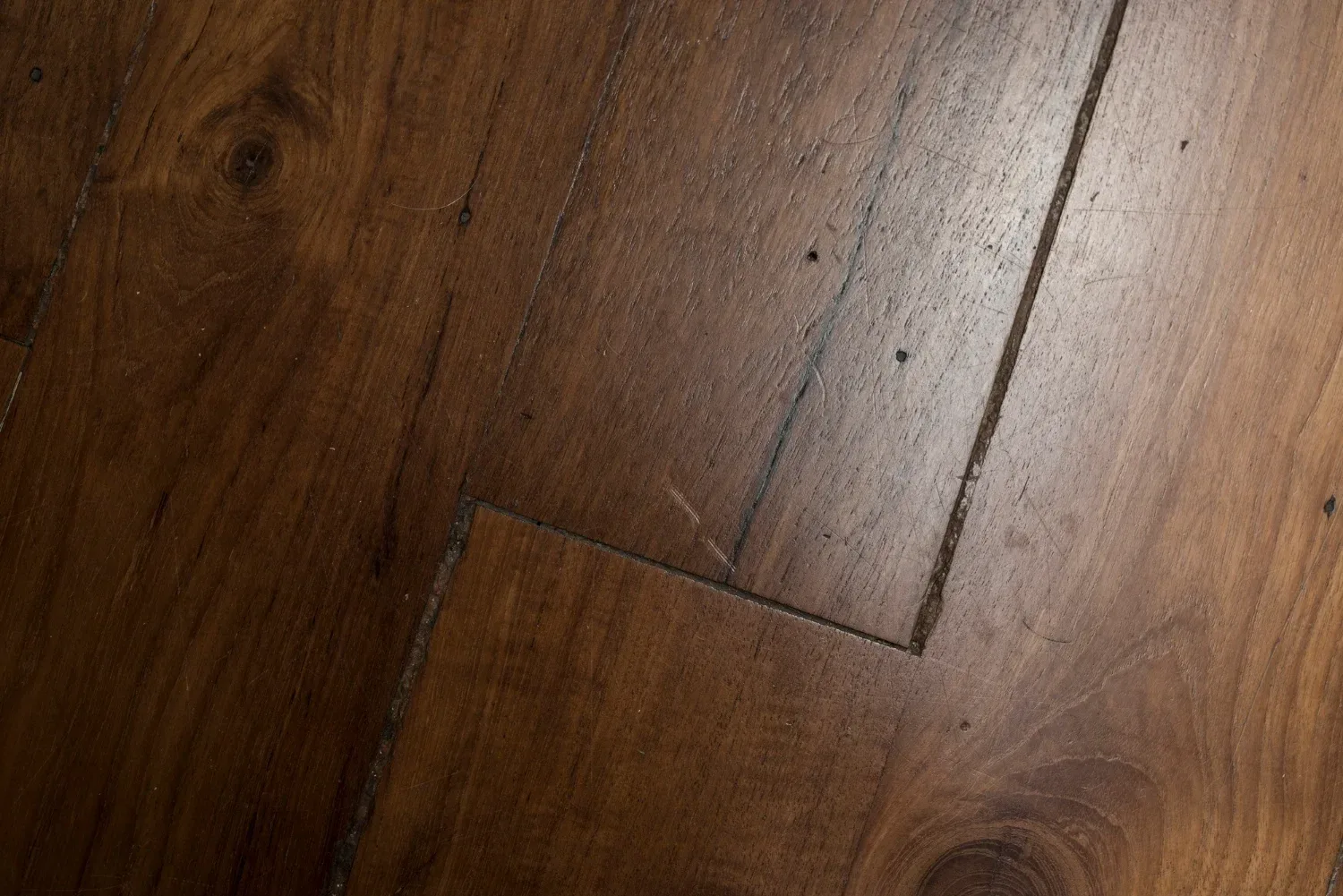
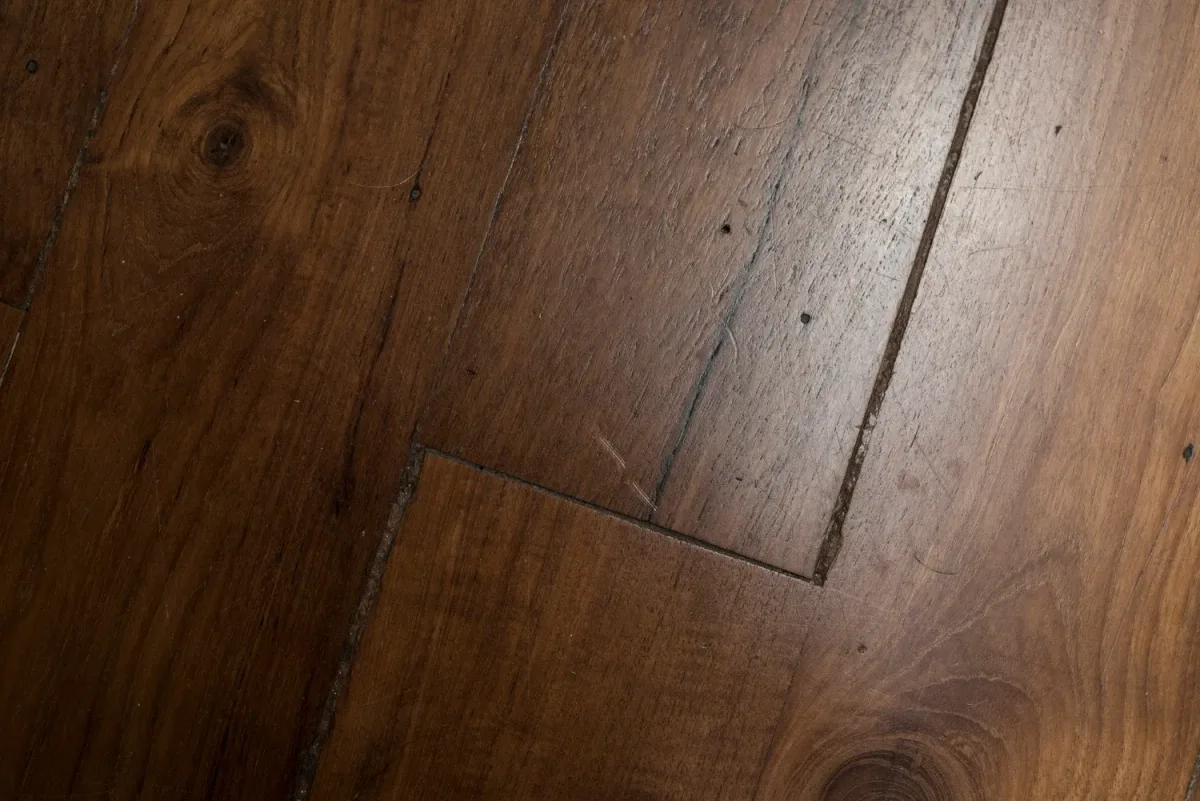
The rise may appear as a fine arching in the center of the room, slightly curved edges, or areas that "sound hollow" when pressed. Sometimes the joints between planks disappear completely.
If deformation appeared quickly after a leak, there is a good chance moisture is still present beneath the flooring. If the change appeared gradually, the cause often relates to air humidity or lack of expansion space.
What does the shape of the rise indicate?
Localized swelling, near the bathroom, kitchen, or balcony, suggests a water source. Uniform uplift in the central area of the room often occurs when the parquet doesn't have enough room to expand toward the edges. Slightly curved edges, without general uplift, may indicate temperature differences or uneven drying of the material.
How do you check the situation?
Observe whether there are signs of infiltration or recently dampened areas. A baseboard can be temporarily removed to see if there is free space between the parquet and the wall. To the touch, a cool or slightly damp area indicates moisture retained beneath the flooring. For exact verification, specialists use devices that measure moisture in the subfloor layer.
Solutions for Swollen Parquet: Quick Fixes, Repairs, and Zoned Restoration
When Repair Is Worth It and When Replacement Is More Appropriate
Repair is sufficient when deformation is limited to small areas, planks show no cracks, and the subfloor layer is dry. In these cases, releasing perimeter pressure, controlled drying of the space, and targeted replacement of affected elements restore the flooring to a uniform appearance. The solution is often applicable to stratified or laminate parquet installed floating.
Partial replacement becomes necessary when multiple areas are affected, but the overall structure of the flooring remains stable. Only the deformed sections are removed, the subfloor layer is checked, and new compatible material is reinstalled. The result is good, provided the moisture is completely eliminated.
Complete replacement is the correct option when deformation covers large surfaces, planks are permanently curved, or the subfloor layer shows moisture. In these situations, local repairs often lead to the problem reoccurring. Full flooring restoration offers long-term security and stability.
The correct decision is made after checking the source of moisture and how the parquet was originally installed.
Tips to Prevent Parquet Swelling
Prevention remains the safest form of protection for any wooden or wood-derived flooring.
Early Detection of First Signs
Proper Maintenance to Prevent Swelling
Periodic Moisture Checks Prevent Parquet Swelling
Choosing the Right Parquet
Neglecting Minor Repairs
Proper Installation
Fine ridges, disappearing joints, or areas that sound hollow when pressed are early warning signs. Detected in time, they allow simple interventions before internal stresses become permanent. Periodic visual inspection helps in early detection of these changes.
An essential first step involves cleaning and maintaining your parquet. Excess water when cleaning, unsuitable detergents, or overly damp mops promote moisture penetration between planks.
Additionally, parquet constantly reacts to the indoor environment. Daily ventilation, maintaining a balanced humidity level, and avoiding permanent sources of vapor in the same room contribute to material stability.
During the cold season, humidifiers help prevent excessive drying. During the warm season, ventilation reduces vapor accumulation.
The ideal relative humidity level in a home is between 45% and 60%. Beyond this range, parquet begins to absorb vapor from the air. A simple hygrometer provides clear information about conditions in the space and allows you to adjust them before the material is affected.
Not all types of parquet behave the same way when in contact with moisture. In spaces with higher risk of vapor or temperature fluctuations, multilayer materials or vinyl offer better stability. The initial choice of flooring directly influences the risk of deformation and maintenance costs over the long term.
A detached baseboard, a blocked joint, or a slightly raised area may seem like insignificant details. Over time, these small problems accumulate stress in the flooring and promote visible deformation.
Parquet stability begins at the installation stage. A dry subfloor, the presence of a vapor barrier, respect for the perimeter joint, and adaptation of the material to the room before installation are essential steps.
Proper parquet installation significantly reduces the risk of swelling and extends the life of your flooring.
Frequently Asked Questions About Parquet Colors
Parquet Swollen After Installation: Is It from Moisture or Joints?
If deformation appears shortly after installation, the most likely causes are moisture remaining in the subfloor layer or lack of expansion space. An insufficiently dry screed transmits vapor to the parquet. A perimeter joint that is too small does not allow the material to move naturally. Both causes can occur simultaneously. Checking the moisture of the subfloor layer and the space between the parquet and wall quickly clarifies the situation.
Can Swollen Parquet Straighten Itself After Water Damage?
In some cases, yes. If water is removed quickly and moisture has not penetrated deeply into the material, planks can partially return to their original shape after controlled drying of the space. However, laminate or HDF parquet does not regain its shape after absorbing water. With natural wood or stratified parquet, there is a greater chance of stabilization if the deformation was not severe.
Why Does Parquet Swell With Underfloor Heating?
Underfloor heating produces repeated cycles of heating and cooling. If the temperature at the flooring surface exceeds recommended values or if the material is not compatible with this system, planks dry unevenly. The upper part loses moisture faster than the lower part, and the resulting tension difference causes the planks to curve. Choosing compatible parquet and correctly adjusting the temperature prevent this phenomenon.
How Do I Repair Parquet Swollen in Just One Corner or Near the Baseboard?
If deformation is localized, the baseboard is temporarily removed to release pressure. Affected planks can be removed and replaced individually, provided moisture in the subfloor layer is completely eliminated. The intervention is relatively quick with floating-installed parquet. With glued parquet, repair requires controlled cutting of the area and local reinstallation.