7 Criteria for Choosing the Right Interior Door
Interior doors require careful selection when you want your newly built or renovated home to achieve the aesthetic you desire. First and foremost, your choice of interior doors must be based on functionality, quality, and design.
It is not sufficient to select an interior door based solely on aesthetic criteria — a quality door is one that meets multiple requirements, from finish quality to sound and thermal insulation, safety, and impeccable functionality.
Since other decorative elements and accessories in your home can be changed far more easily, emphasis on quality should be placed on doors, woodwork, and flooring, as these are not as convenient to replace as furniture, carpets, or other decorative objects.
1. Sound and Thermal Insulation
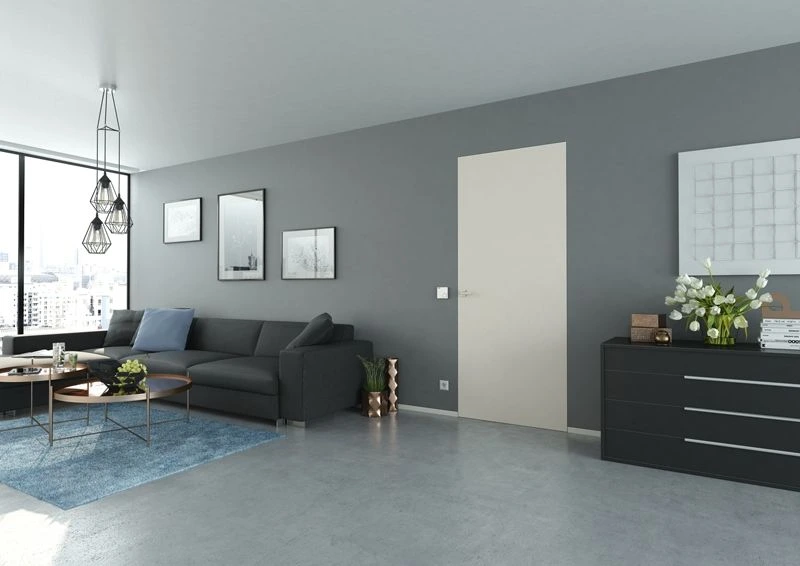
For an interior door to provide optimal thermal insulation, it must have a minimum thickness of 40 mm. In terms of sound insulation, optimal performance is achieved with a minimum of 28dB, achieved through a composition of tubular panel, HDF panel, laminated or solid wood — certainly not cardboard honeycomb!
2. Frame and Hardware — Premium Quality
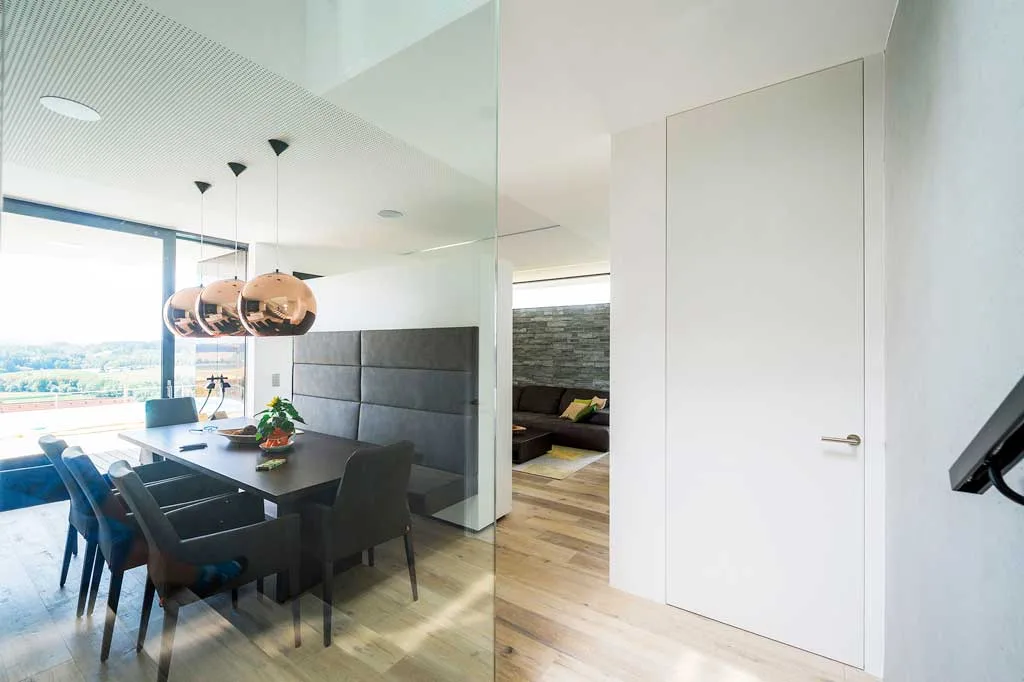
Another key aspect to consider when choosing interior doors is the frame, which must be constructed from high-quality, durable, and non-deformable materials. Equally important are the hinges, which should feature PTFE coating and be secured at a minimum of 3 points (2 hinge fasteners on the frame, one on the door leaf). It is advisable to select an interior door with hinges from reputable manufacturers.
3. Coordinate Doors with Your Home's Design
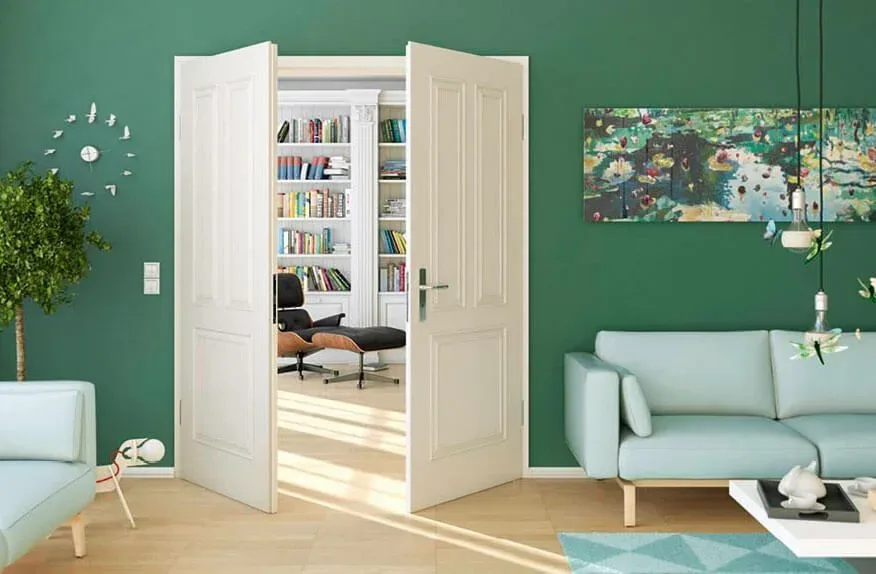
Another essential criterion to consider when purchasing is matching your interior doors with your home's design. All designers consider this element crucial when addressing aesthetic criteria. It is important to determine what tone or shade you wish to match and whether you want the door to stand out as a focal point or blend harmoniously with the space.
4. Select Doors According to Your Home's Style
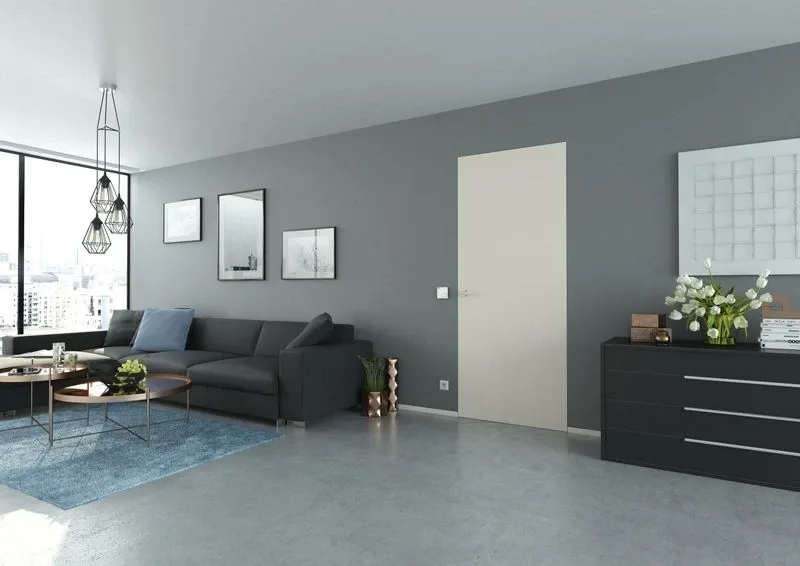
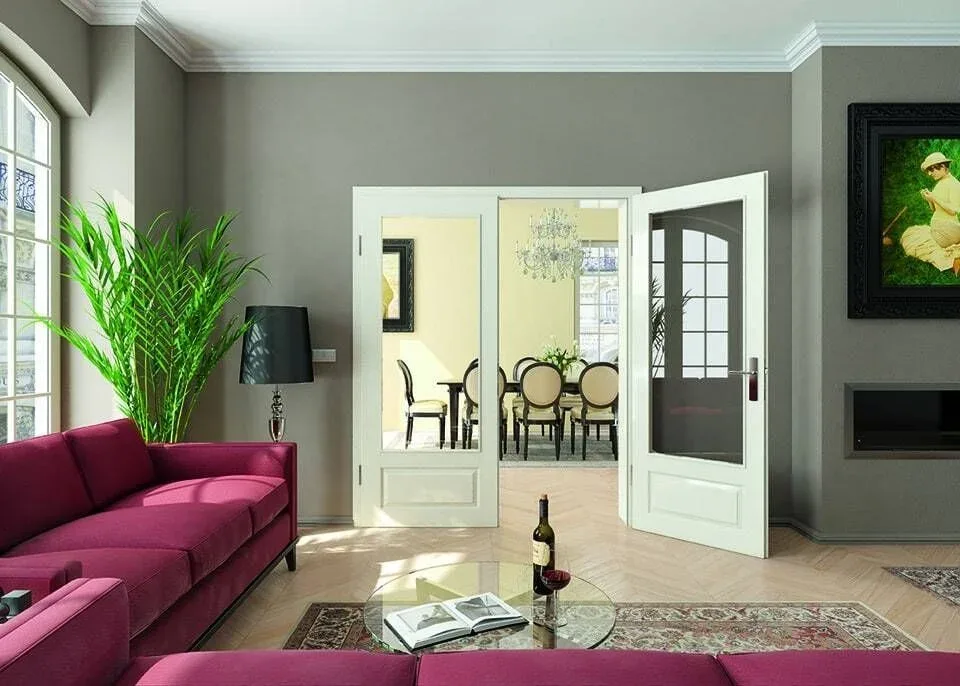
If a minimalist style predominates, your chosen door should be very simple. For classic architecture, select a door that is somewhat distinctive and striking, yet not overly ornate. Decorative elements should not be excessive. Therefore, based on your home's architecture, consider choosing interior doors or exterior doors accordingly.
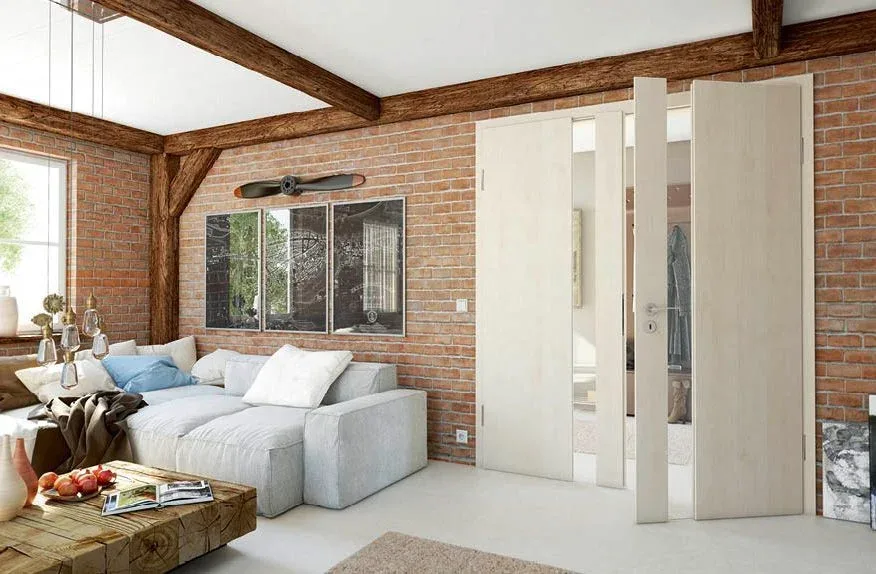
5. Colours and Finishes
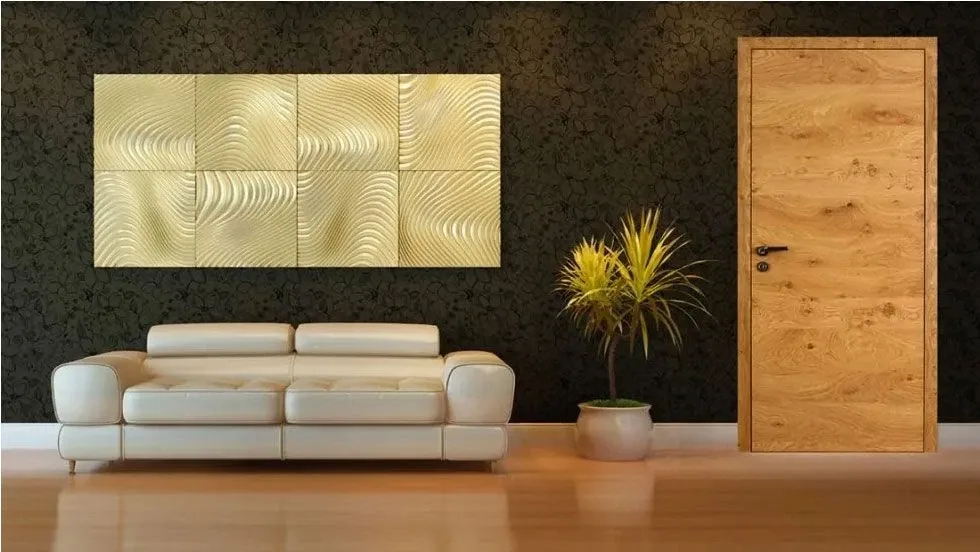
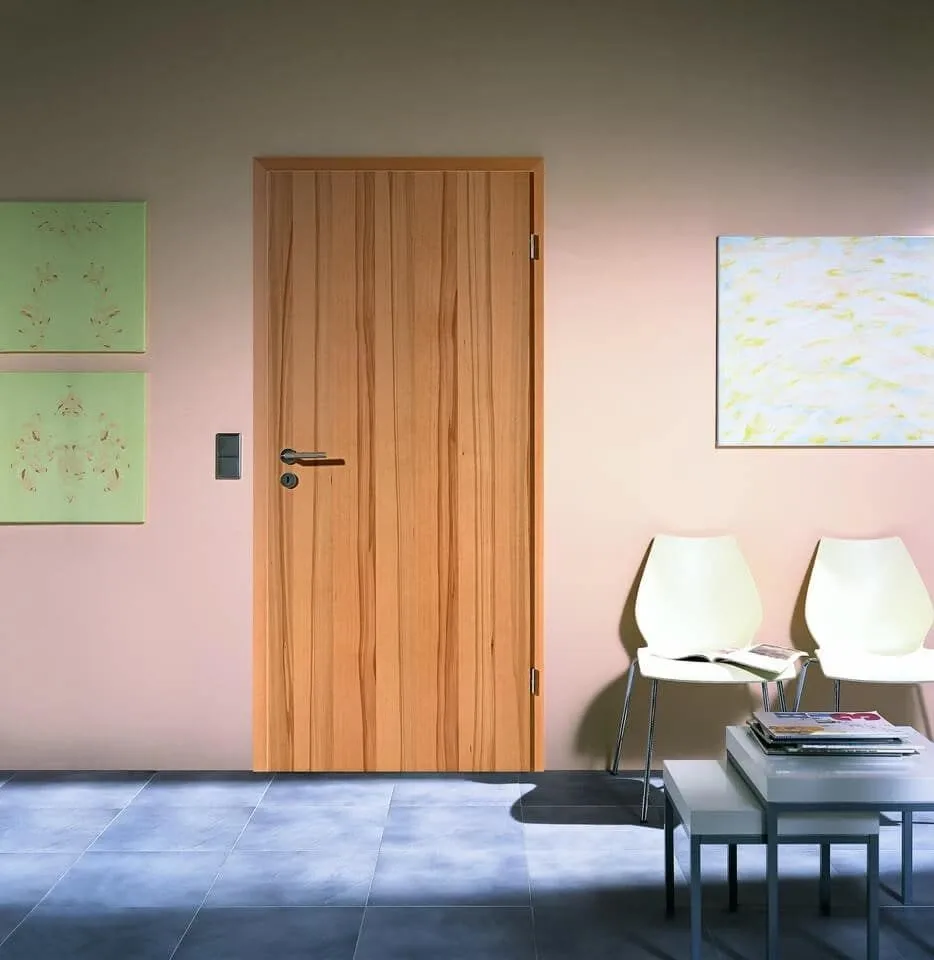
Here is another crucial criterion for selecting interior doors. White doors and very simple designs suit modern or minimalist styles. Glass doors and panels with decorative routed frames in dark wood tones are better suited to classical styles. When choosing an appropriate colour, consider your flooring and interior finishes. They can either match in tone or provide subtle, pleasing contrast. If you favour white doors, you might choose either light-coloured flooring or natural-tone flooring, such as light oak. For natural oak tones in flooring, dark brown or walnut door colours pair well. If your flooring has reddish undertones, select door colours that echo this shade — in such cases, avoid walnut-coloured doors. Since door selection must account for both flooring colour and other wall finishes and furniture colours, consider these guidelines to achieve your desired home aesthetic. A white door complements vibrant finishes or warm-toned furnishings.
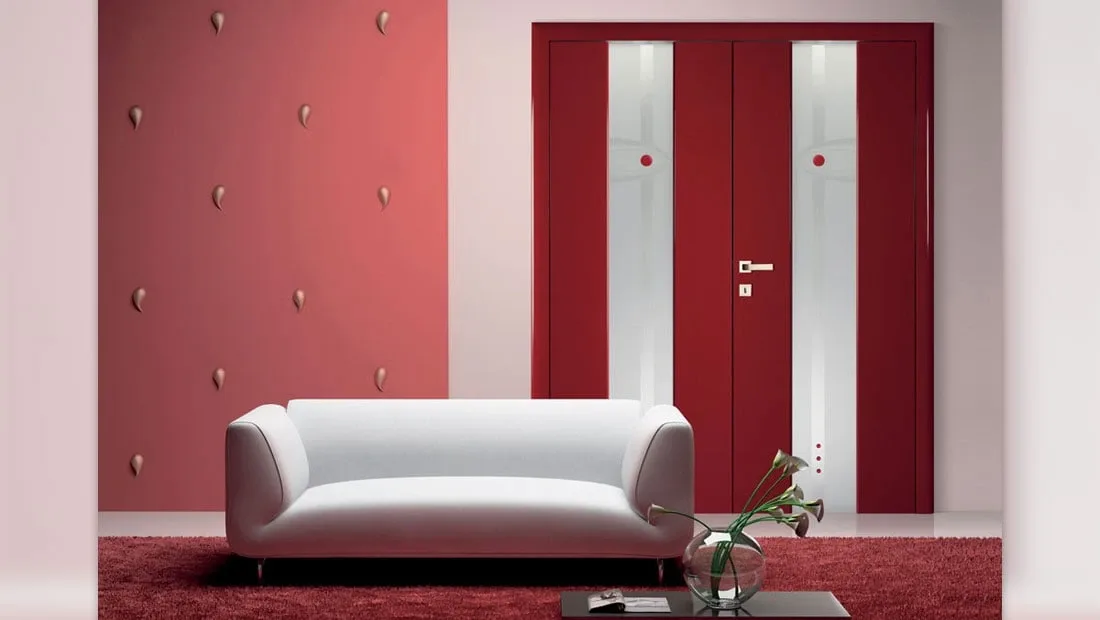
6. Functionality
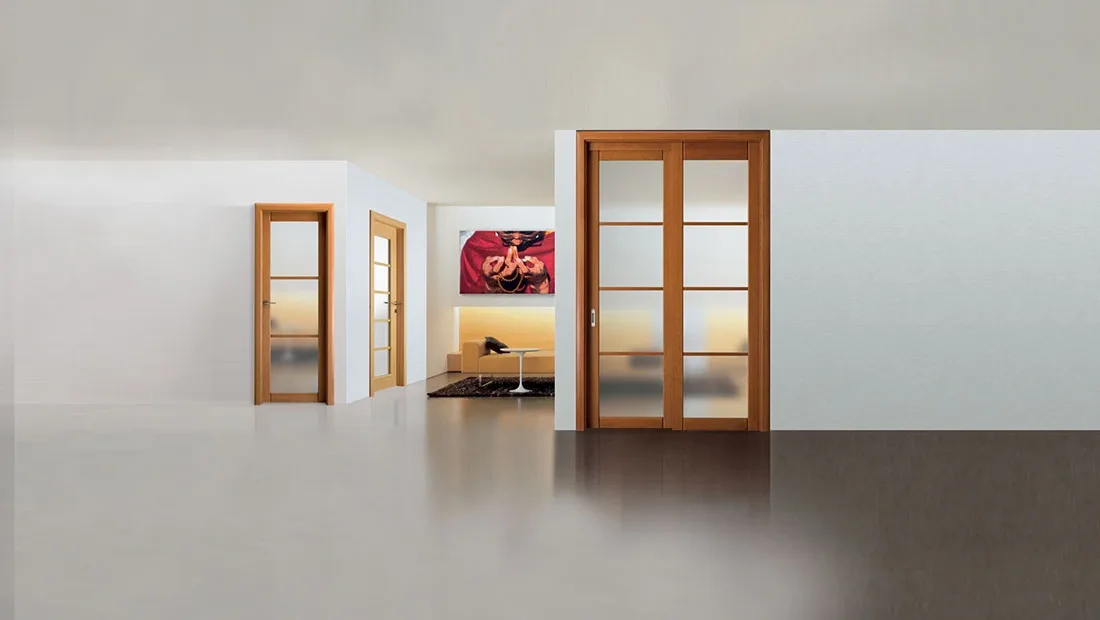
An interior door must be functional and offer multiple advantages. Therefore, when space is limited or a room lacks natural light and you need light penetration, you might consider glass doors or doors with glass inserts. A benefit of doors constructed entirely from glass is that they can be customised to meet your specific requirements, offering an additional touch of elegance. However, they are not as airtight as MDF or wooden doors.
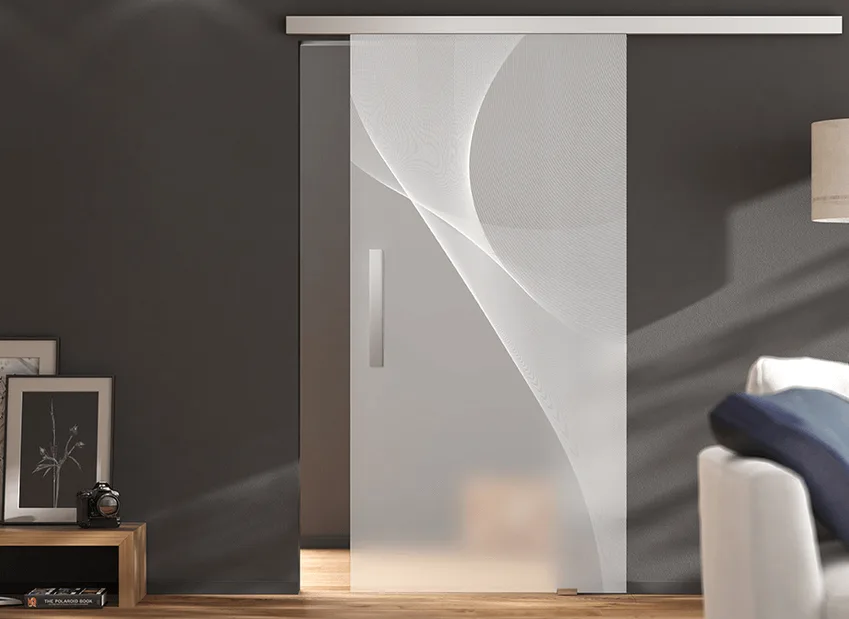
7. Materials Used in Door Manufacturing
Interior doors can be constructed from solid wood or other composite materials such as particleboard, MDF, HDF, or cellular cardboard doors (which dominate the Romanian market). While solid wood doors offer exceptional aesthetic appeal, they require perfectly dried wood to prevent imperfections over time. MDF or HDF doors are lighter and equally aesthetically pleasing. They coordinate easily with interior elements, available in varied colours. Additionally, they install easily, and their finishes are impeccable. Unlike solid wood doors, they cannot be retouched as easily if scratched, but their raw material guarantees long-term durability. Cellular doors (cardboard products) should be avoided, as they do not provide adequate sound insulation and have a limited lifespan.