Types of Exterior Doors
Entry doors are among the most important elements to consider when renovating or building your home. Exterior doors differ significantly from apartment doors, as they must withstand weather conditions and therefore require superior quality construction.
When choosing an exterior door type, you must consider not only aesthetics but also the model's durability and resistance. Selecting a low-quality door will ultimately cost more in repairs or replacement. Not to mention the wasted time and frustration when problems emerge. For these reasons, it is wise to choose a high-quality, long-lasting product from the start that offers numerous additional benefits.
Here are the types of exterior doors currently available on the market, which models are best, and what you should know about them before selecting the right product for you.
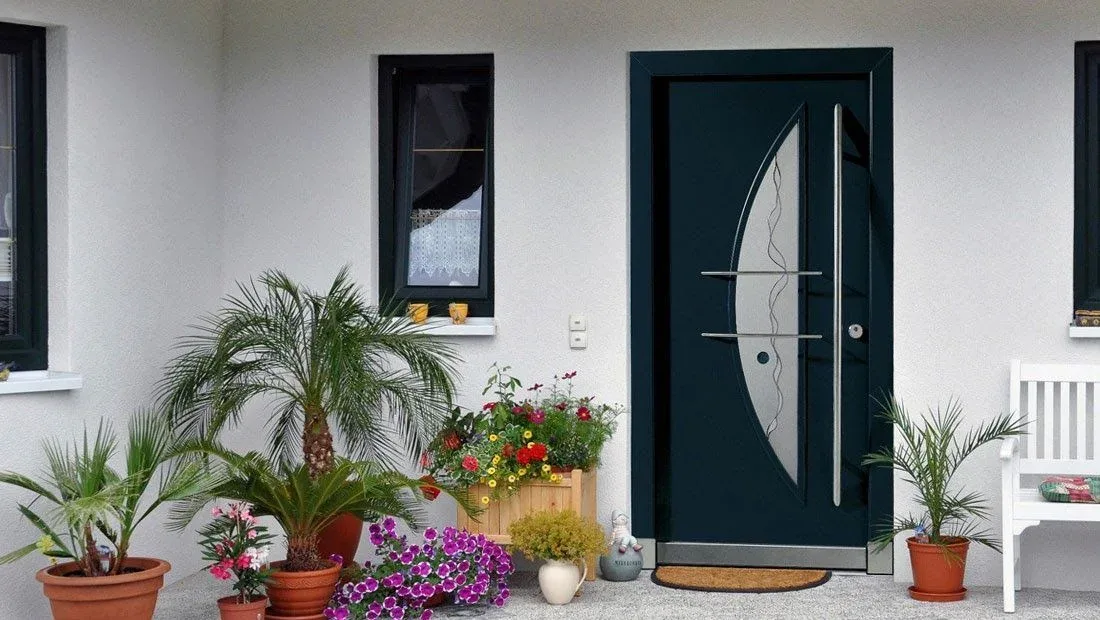
1. Galvanized Steel Sheet Doors
This is the most commonly used type of exterior door in our country, but it is not an inspired choice, as it rusts. While it looks good, is affordable, and lasts a considerable time, these doors are subject to extreme temperature fluctuations. In our climate, outdoor temperature variations are significant: 60–70 degrees Celsius on the door frame in summer and −25 degrees Celsius in winter. Meanwhile, indoor temperature remains constant, between 22 and 26 degrees Celsius. Consequently, condensation forms inside the door, within the basalt wool insulation, and moisture prevents the door from providing adequate thermal insulation.
Additionally, many exterior doors sold domestically are imported from warmer countries such as Greece and Italy, making them poorly suited for our harsh winters. These doors are better suited for apartment entrances, not houses. Apartment doors enjoy better weather protection because they are located in stairwells rather than fully exposed to the elements. This represents a significant difference between the two door types, yet few buyers account for this distinction.
2. Solid Wood Exterior Doors
3. PVC Exterior Doors
These door types offer clearly superior quality to metal doors. They look excellent, and wood is an inherently thermally insulating material. Moreover, these doors feature distinctive designs that complement any architectural style.
However, one aspect deserves consideration: wooden doors require periodic reconditioning every 5 to 10 years, as the protective coating deteriorates from UV rays and weather exposure.
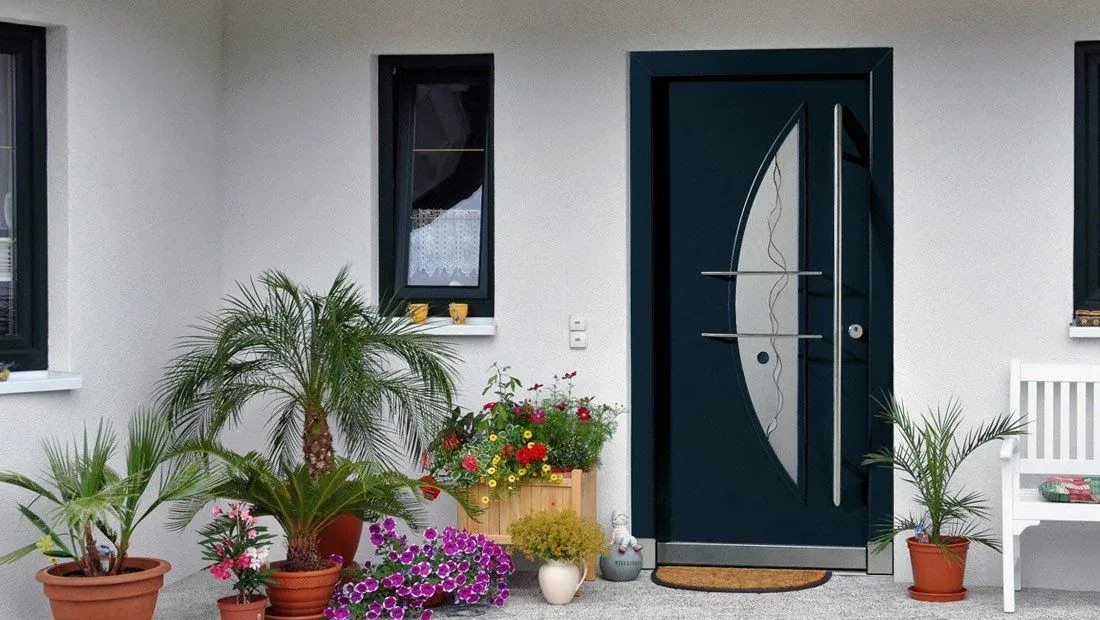
This door type is also quite popular domestically, utilizing the same PVC profiles employed in windows. These doors are easy to maintain, resist aging well, and can provide excellent thermal and acoustic insulation when of good quality. However, they may warp due to temperature differences between interior and exterior and require ongoing adjustments. Additionally, aesthetic appeal is somewhat compromised, as no PVC door will match the appearance of wood or aluminium options.
4. Aluminium Doors
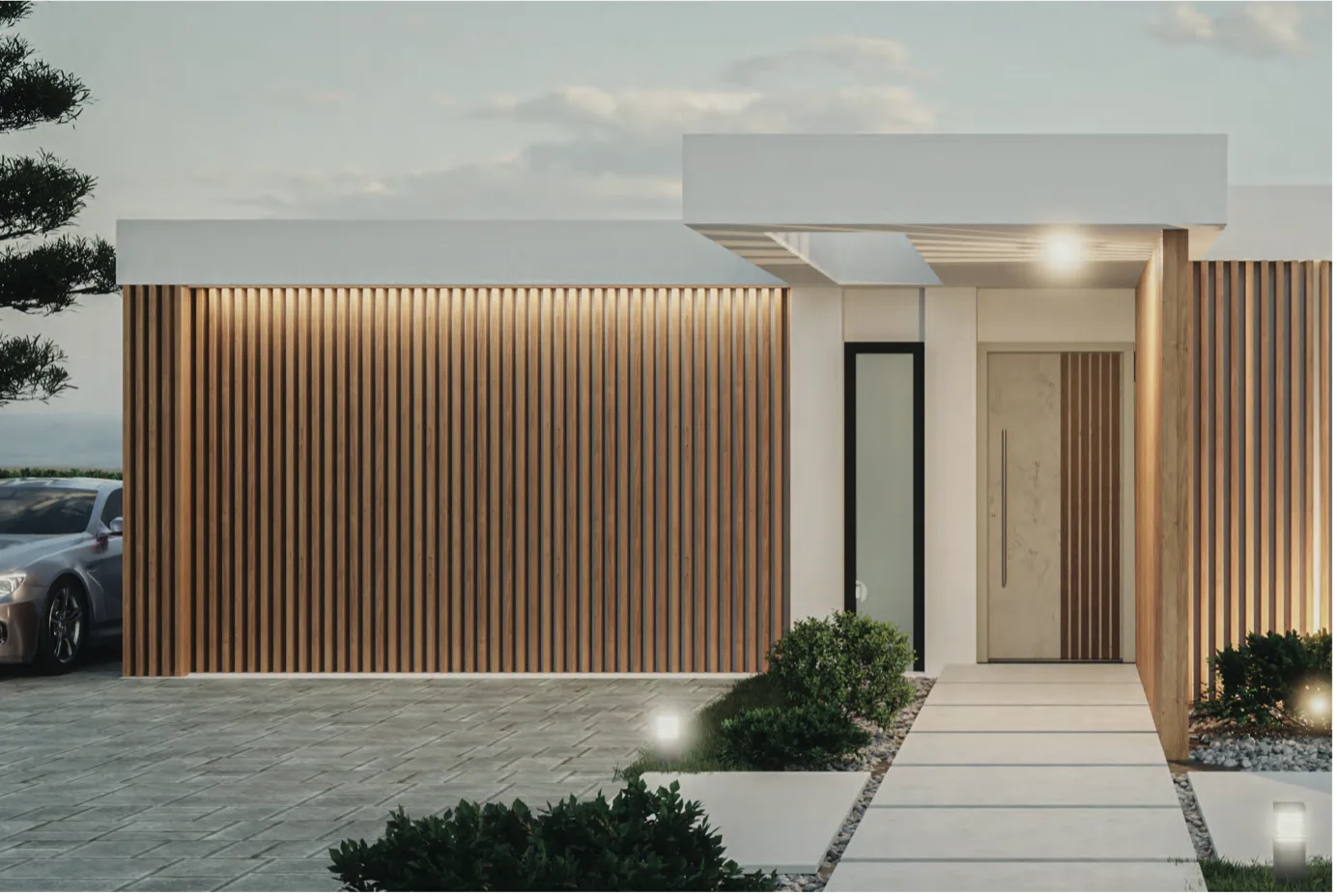
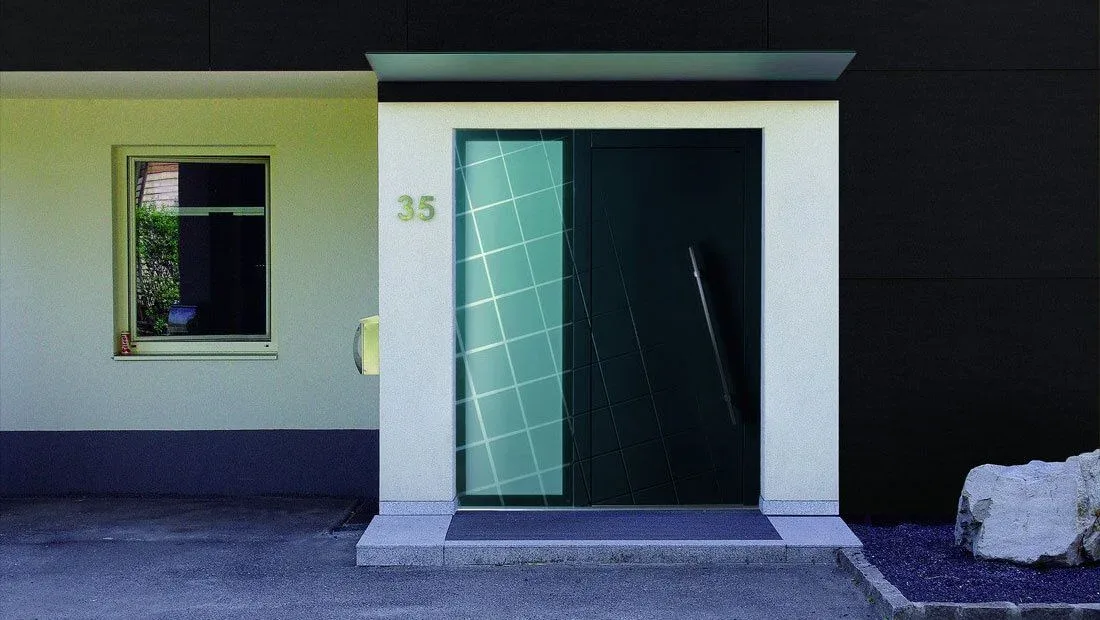
These doors are stable, highly durable over time, easy to maintain, and feature distinctive design qualities. They are custom-manufactured to fit your wall opening dimensions, available with or without transoms and glass side panels according to your preferences. This makes them highly adaptable to any architectural style.
You can find your preferred exterior door model in aluminium using Kulttur's door configurator. Simply select your desired configuration, model, color, hardware, and dimensions, and you will immediately see how your door will look.
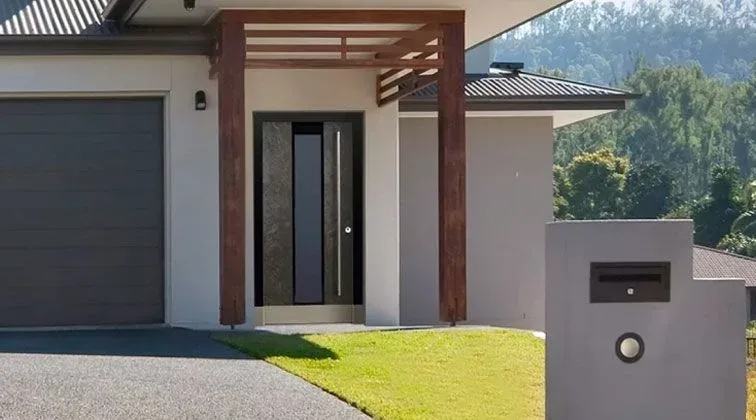
5. Doors for Passive Houses
Doors specifically designed for passive houses are manufactured from laminated wood with internal and external metal inserts to prevent warping due to large temperature variations.
These represent the finest types of exterior doors, offering superior thermal and acoustic insulation, excellent long-term durability, no warping issues, and adjustable hinges. These doors are also available in multiple configurations, with glass side panels or transoms.
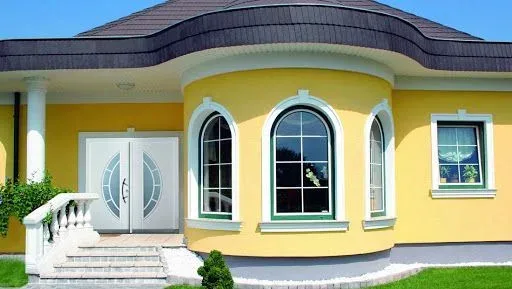
1. Thermal and Acoustic Insulation
This is the most critical aspect of any exterior door. If you choose a door with inadequate insulation, heat will escape your home, you will pay more for heating, feel cold discomfort, and may not even realize the door is responsible for your dissatisfaction.
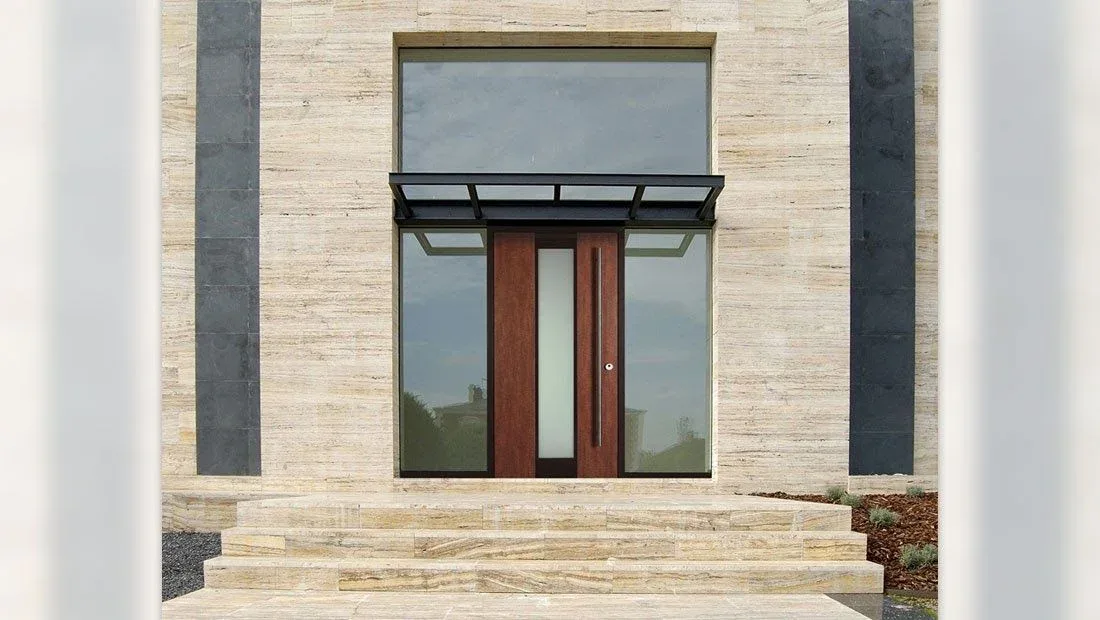
2. Durability Over Time
An exterior door is a long-term investment, so it must withstand the test of time without warping or failing. You certainly do not want to purchase a door requiring repairs or replacement after only 2–3 years due to poor resistance to temperature fluctuations.
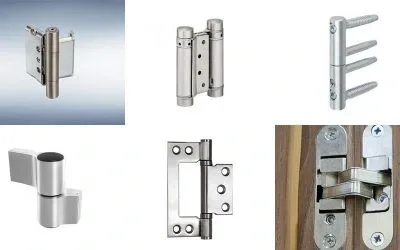
3. Adjustable Hinges
4. Price
A quality exterior door must have adjustable hinges. This allows the door to be easily adjusted if needed, without requiring complicated or lengthy repairs.
Of course, price is an important criterion when selecting an exterior door, and we recommend understanding that price reflects product quality. If you purchase an inexpensive door, you will certainly not receive a quality product. Over the long term, as we have noted throughout this article, you will end up paying more, as you will need frequent repairs or complete replacement. The safest solution is to invest in a quality exterior door from the outset, even if the initial purchase price is higher.
Therefore, if you follow our recommendations, you will certainly find the exterior door model that best suits your needs. Using the door configurator, you can see how your desired product will appear, and all that remains is to visit the Kulttur showroom.